Describe the Difference Between Debt Financing and Equity Financing
Unlike debt equity financing doesnt require repayment. You will have to repay the loan on the maturity date.
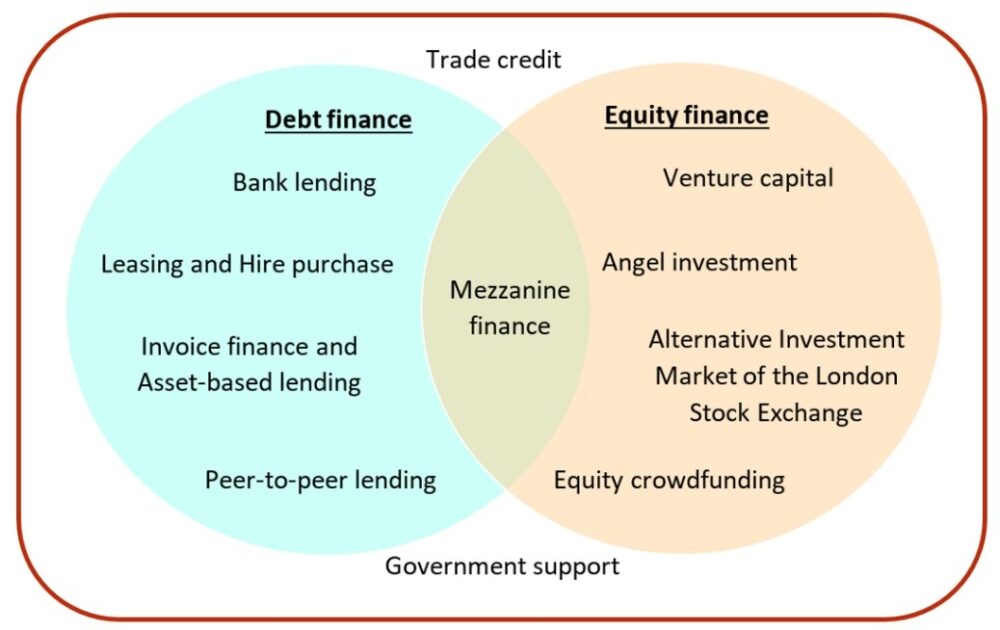
Financial Support For Smaller Businesses Actuaries In Government
As usual the benefits and drawbacks to both debt financing and equity financing are quite even.
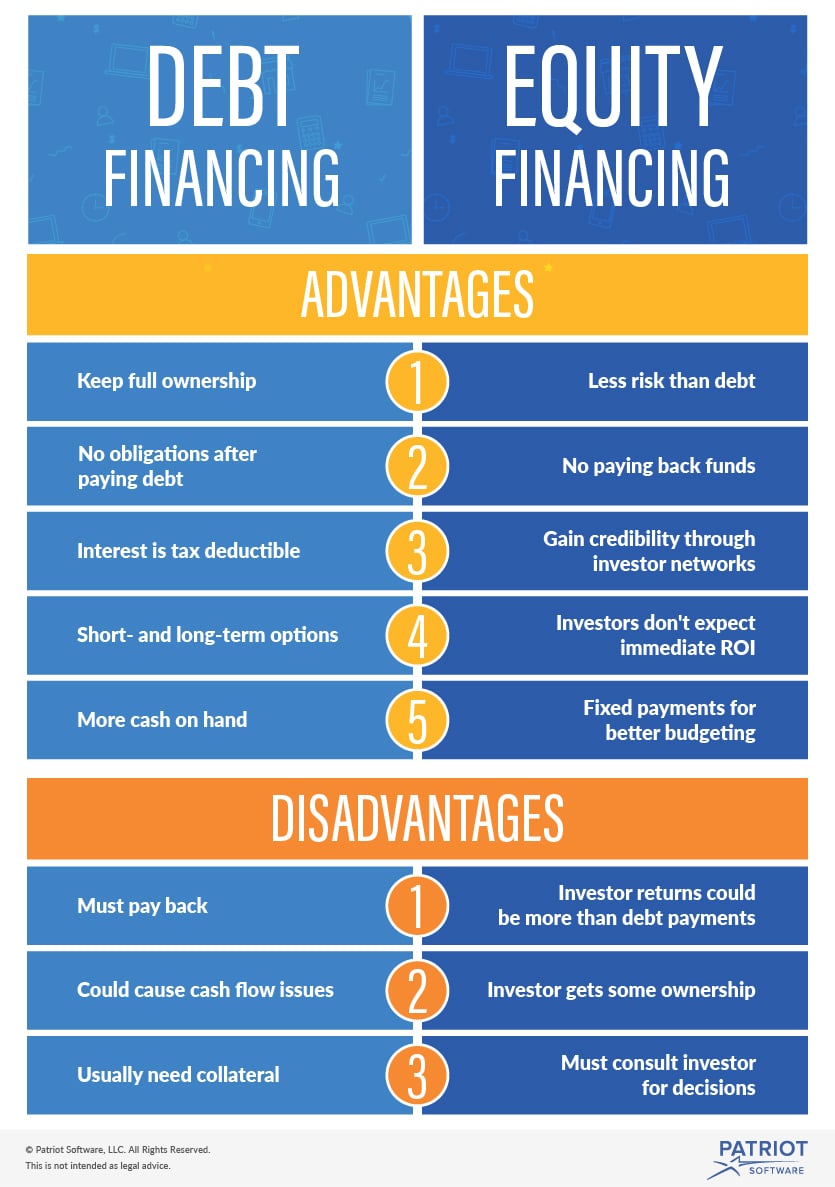
. The funds come from an investor not a lender. First equity financing does not need to be paid back while debt must be paid back in accordance with a repayment schedule. Accessibility - Except in rare cases debt financing will almost.
Selling shares to the public requires a listing on the stock exchange along with the many regulations and requirements that come with it and once shares are sold shareholders have a voice in. When a corporation issues additional shares of common stock the number of issued and outstanding shares will increase. In this situations they typically face a choice between two options.
You do not have investors or partners to answer to and you can make all the decisions. There are a few main reasons why a small business owner would reach for debt financing. Heres how each financing method works and the pros and cons of each.
It can be short-term long-term or revolving. Each option will be suitable for different types of business and business structures. Definition of Equity Financing.
What is equity financing. Second the investors who buy equity have just acquired an ownership interest in the firm whereas the lender does not own such an interest. The main advantage of.
With equity financing you do not have to make repayments or pay interest. Debt means applying for a loan from a lender. Equity financing involves the owner giving up a share of the business.
Equity financing involves increasing the owners equity of a sole proprietorship or increasing the stockholders equity of a corporation to acquire an asset. Money raised by the company by issuing shares to the general public which can be kept for a long period is known as Equity. Debt financing comes from a lender and has a finite amount of time to pay back the loan on interest and some loans require collateral.
The more you are able to receive the more control you can potentially loose. Debt is the companys liability which needs to be paid off after a specific period. When a firm raises money for capital by selling debt instruments to investors it is known as debt.
The Advantages of Debt Financing. The less complex the option usually the less money you are able to finance too. Debt Financing vs.
In equity financing you sell a portion of your ownership to raise capital. Equity financing is money paid to your business by an outside entity. Equity financing a key difference between the two has to do with who gets or.
Extra funds can be obtained through traditional debt finance which is taking out a loan from a bank or other lender. The difference between debt and equity capital are represented in detail in the following points. Debt is the borrowed fund while Equity is owned fund.
When considering debt vs. Interest is tax deductible thereby reducing the cost of debt. You will probably need to offer business collateral.
Debt and equity financing are two very different ways of financing your business. Debt financing is another term for borrowing. In debt financing you can retain 100 ownership and control of your company.
May require regular interest payments and even principal payment. This increase will cause the previous stockholders ownership percentage. That means in a bad year we still have to make those payments.
Profits are generated internally by the company but debt and equity are external and are controlled by management decision making. If you finance your business using debt the interest you repay on your loan is tax-deductible. Debt financing requires a firm to obtain loans and pay large sums of interest while equity financing is obtained by selling shares and paying dividends to shareholders.
The Key Differences Between Debt and Equity Financing Function. Debt always involves some form of repayment with interest that must be made whether the company is making a profit or not. There are several differences between equity financing and debt financing.
Debt financing allows you to have control of your own destiny regarding your business. Equity financing involves selling part ownership of a company in exchange for money. Debt involves borrowing money directly whereas equity means selling a stake in.
There are several options between equity and debt financing a person can choose from for their business. When financing a company cost is the measurable expense of. Equity financing does not require the owner to pay anything back and comes from investors.
If you go with equity financing youll collect capital from an investor rather than a lender and pay them a percentage of your business. Debt financing could cause small business cash flow problems. You own all the profit you make.
Then you pay it back with interest. With debt financing a business. Both debt and equity financing supply a company with capital.
Debt and equity financing provide a means for companies to carry out plans that require large amounts of. Alternatively equity finance is sourcing money from within your business by selling shares. You do not have to repay the capital to equity shareholders.
Equity Financing Equity financing is when an investor provides you with capital. Debt financing involves the borrowing of money whereas equity financing involves selling a portion of equity in the company. Debt financing and equity financing.
This can be challenging to secure if the business is unproven. Equity Financing With debt financing you borrow a fixed amount of money from a lender like a bank.

Debt Vs Equity Finance Investing Learn Accounting Accounting Basics

What Is Equity Finance Definition And Meaning Market Business News
Debt Financing Vs Equity Financing What S The Difference

Debt Vs Equity Financing Which Is Best For Your Business Venture And Important Tips Before Approaching Funders Investing Infographic Equity Finance Infographic
Comments
Post a Comment